 DRIFT #311 · 49°C · 98min
Egypt's Green Jute Leaf Royal Stew
A drift from the spice caravan · flavor map below
Drift Notes
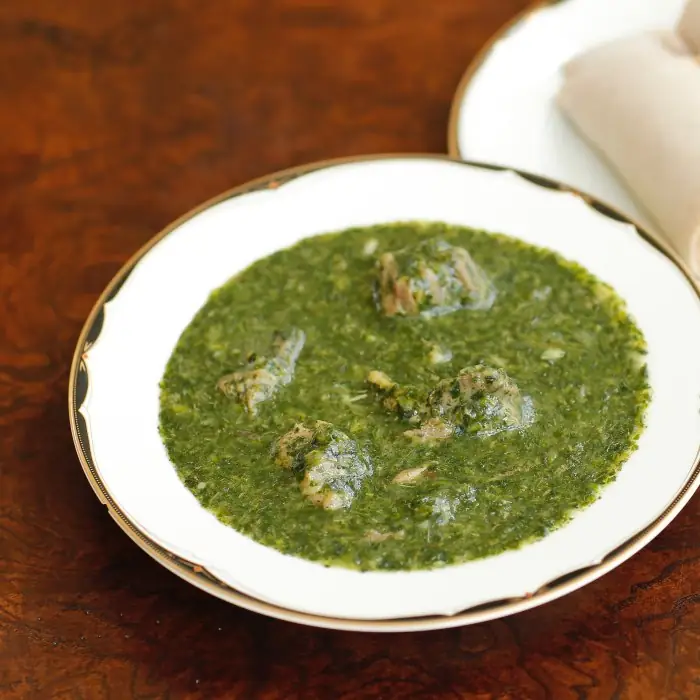
Okay, I need you to brace yourself because we're about to venture into one of Egypt's most fiercely loved, passionately debated, and deeply personal dishes. Mulukhiyah. Even the name sounds like something ancient and powerful and slightly mysterious — which is exactly what this dish is. At its heart, we're talking about jute leaves. Yes, jute leaves — the same plant that gives us burlap sacks and rope. But before you run away screaming, let me explain what happens when those leaves meet Egyptian culinary genius. They get finely chopped into tiny, almost confetti-like pieces and then cooked down into a stew that is the most extraordinary shade of green you've ever seen. We're talking a deep, vibrant, almost luminous green that looks like it was brewed in the gardens of the pharaohs themselves. The texture is what gets people talking — it's viscous, slightly slippery, almost velvety, in a way that's completely unique and utterly addictive. Some like it thick and stew-like, others prefer it soupier, and Egyptians will fight you to the death over which way is correct. The flavor base is built on beef that's been slow-cooked until it's practically dissolving, paired with an aggressive amount of garlic that's been fried until golden and fragrant. Then comes a generous squeeze of lemon juice that brightens the whole pot and cuts through the richness with the precision of a surgeon's scalpel. You eat this by grabbing handfuls of rice, scooping up the green stew, and shoveling it into your mouth with the enthusiasm of someone who hasn't eaten in a week. It's messy, it's glorious, and it's exactly the kind of food that makes you understand why an entire civilization has been obsessed with it for literally thousands of years. This isn't just dinner — it's heritage, it's home, and it's absolutely unmissable.
Steam Trail
Source Reference
Original drift log: https://chefindisguise.com/2017/05/15/mulukhiyah-a-stew-fit-for-royals/